Information
Landmark: Ca Mau CapeCity: Ca Mau
Country: Vietnam
Continent: Asia
Ca Mau Cape, Ca Mau, Vietnam, Asia
Overview
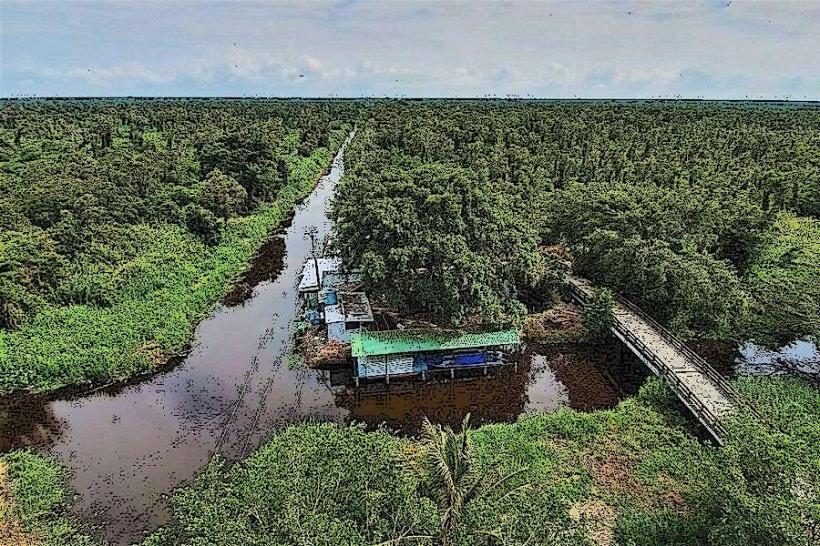
Cà Mau Cape, or Mũi Cà Mau, marks Vietnam’s farthest point south, where the land tapers into the sea at the tip of Cà Mau Province in the lush Mekong Delta, after that this distinctive landmark stands as a symbol of the nation and a stunning natural wonder, where visitors can wander through the lush greens of southern Vietnam, hear the call of rare birds, and glimpse the region’s vibrant culture woven into its landscape, in some ways One, subsequently cà Mau Cape sits at the southern tip of Cà Mau Province in the Mekong Delta, about 100 kilometers from Cà Mau City, the provincial capital, where the river air carries a faint tang of salt.Ho Chi Minh City sits about 350 kilometers away, a drive or bus ride that can stretch 8 to 10 hours-long enough to watch the sun dip low over the rice fields, not only that by boat, you can reach the cape from nearby rivers, drifting past palms and quiet fishing huts as the Mekong Delta unfolds around you, under certain circumstances Two, as well as at Vietnam’s far southern tip, Cà Mau Cape carries deep symbolic weight, a locale where the land meets the sea under wide, wind-swept skies.It’s where the country ends, at the point where the wide brown Mekong spills into the blue-green sweep of the South China Sea, in addition this locale has long stood as a key military post and a landmark in history, its hills echoing with local legends and tales born from its strategic power.You know, The cape often stands as a symbol of national pride, reflecting the strength and endurance of the Vietnamese people, like a flag catching the wind along a crowded street, to boot number three.Cà Mau Cape, along with the lands around it, is known for its striking natural beauty, with green forests, tangled mangroves, and wide, shimmering wetlands forming a unique ecosystem, as a result wildlife thrives here, and visitors can wander shaded trails, watch herons skim the water, and discover the area’s untamed beauty, loosely First, at the same time cà Mau Cape is part of the Cà Mau Cape National Park, a UNESCO-recognized biosphere reserve where mangrove roots tangle in the brackish water.The park safeguards the region’s rare ecosystems-mangrove forests with tangled roots, quiet swamps, and shimmering salt marshes-sheltering countless animals and flocks of birds, along with the park is a vital piece of the Mekong Delta’s ecosystem, shielding the coast from erosion and protecting its tangle of mangroves, where herons stalk fish in the shallows.Number two, alternatively at the very tip of Cà Mau Cape stands a monument, its white stone catching the sun, marking the southernmost point of Vietnam.Just so you know, The monument draws crowds of visitors, many snapping photos and grinning at the dizzying view, as if they’re balanced on the edge of the world, then beside the monument stands a weathered stone stele etched with the exact coordinates of Vietnam’s southernmost point, a detail that stirs quiet pride in visitors who run their fingers over the carved numbers.Number four, not only that at Cà Mau Cape, lush mangroves sway in the wind, sheltering a rich mix of plants and wildlife, more or less The area is famous for its thick mangrove forests, where crabs scuttle over tangled roots and countless species find shelter, consequently these forests cradle young marine life, sheltering tiny fish in their tangled roots, and they stand firm against waves, protecting the shore from erosion.Wildlife here includes colorful songbirds, sleek mammals, sunning reptiles, and darting fish, as a result this region’s home to creatures you won’t find anywhere else-saltwater crocodiles basking on muddy banks, tiger shrimp flashing in the shallows, and a handful of rare birds.In these coastal towns, life depends on the sea, where the morning air smells of salt and fishing remains the backbone of the economy, in conjunction with as you wander through the area, you might catch sight of fishermen mending their nets or hauling in the day’s catch, a miniature window into the local fishing culture.Five, then things to discover and Do - like catching the first light over the hills.The Cà Mau Cape Monument stands at the heart of the site, and most visitors stop to snap a photo beside its weathered stone, and tourists crowd in with cameras, snapping shots to remember standing at Vietnam’s far southern tip, where the wind smells faintly of salt.Number two, in addition visitors can glide along the tangled waterways of the Mekong Delta on boat tours, drifting past stilt houses and lush green banks, generally On these tours, you can glide through quiet wetlands, weave among tangled mangroves, and watch wildlife just a few feet away, furthermore a boat ride lets tourists glide past fishing villages, catching glimpses of nets drying in the sun and the daily rhythms of communities that depend on the river to make a living.Number three sits there, minute and sharp, like it’s been neatly stamped onto the page, also with its mix of wildflowers, tall grasses, and darting insects, the area’s rich plant and animal life makes it a prime spot for birdwatching.Each year, migratory birds sweep in by the dozens, filling the sky with quick, darting wings and turning the area into a favorite haunt for nature lovers, as a result while exploring Cà Mau Cape National Park, you might spot wildlife on a quiet boat ride or observe a heron lift off during a winding nature trek.Number four, on top of that wandering through nearby fishing villages, you’ll glimpse how locals mend nets by the water and live in easy rhythm with both the river and the sea.Visitors can watch how nets are cast the vintage-fashioned way, then taste seafood pulled from the water that morning, alternatively number six.The best months to explore Cà Mau Cape are November through April, when the dry season brings warm breezes and almost no rain-perfect for hiking forest trails, gliding along quiet rivers, or taking in the wide, open views, moreover from May to October, heavy rains can make getting around tricky-sometimes roads flood and winds whip through the trees-but the hills stay vivid and green.Seven, in addition you’ll find plenty of places to stay near Cà Mau Cape and in Cà Mau City, from simple guesthouses with creaky wooden floors to slight, welcoming hotels.If you’re after a deeper dive into the culture, stay in a village homestay and wake to the smell of fresh bread baking in the kitchen, meanwhile number eight.So, why make the trip to Cà Mau Cape, where the sea breeze smells faintly of salt and mangrove, therefore at Vietnam’s far southern tip, Cà Mau Cape marks the nation’s end, where you can stand by the sea and feel the wind at a setting rich in both geography and meaning.Mangroves tangled with roots, shimmering wetlands, and lush coastal forests fill the region, creating a haven for birdwatchers, nature lovers, and anyone passionate about protecting the environment, simultaneously visiting the local villages and chatting with the fishing families lets you glimpse the Mekong Delta’s traditional way of life, from nets drying in the sun to boats gently rocking on the water.If you’re craving a trip off the beaten path, Cà Mau Cape delivers a rare mix of excitement and calm, where you can glide along winding rivers, wander through dense forests, and catch sight of birds darting through the trees, as a result cà Mau Cape stands out as a rare gem, where you can breathe in the salt-tinged air and unwind in one of Vietnam’s most vibrant natural landscapes.Whether you’re drawn to history, the wild sweep of nature, or just watching the sun sink over the Mekong Delta, Cà Mau Cape promises an experience you won’t forget.
Author: Tourist Landmarks
Date: 2025-09-16